
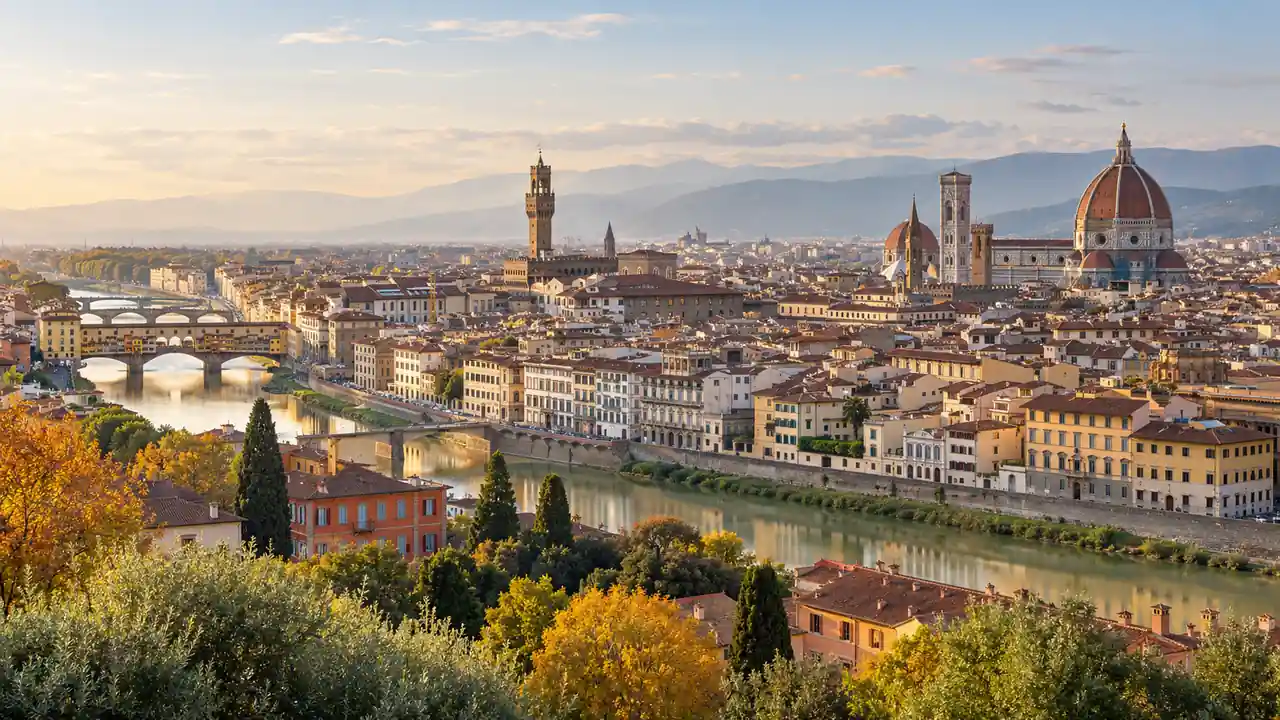
Count usable days before booking
Two nights do not necessarily give you two full days. Write down when you can leave your luggage, when your first reservation could realistically start and when you must return to the station. For a first visit, give each full day one main commitment and build nearby walks around it. A late arrival is best used for a short orientation walk and dinner rather than a timed museum. If Monday falls within your stay, check the museum calendar before assigning days: Uffizi and Accademia normally close then, although special openings can be announced. Move the outdoor day instead of forcing an unsuitable booking.
Choose a practical base and arrival station
Firenze Santa Maria Novella is a central arrival point, but check the station named on your actual ticket. Measure the journey from that station to your accommodation with your bags, then from your accommodation to the first meeting point. A room near the railway station can simplify an early departure; a stay across the Arno can suit evenings spent in the Oltrarno. Neither makes every attraction equally close. Ask about luggage storage and late check-in before relying on them. For a short stay, one base usually gives you more useful time than moving hotels to save a little walking on one afternoon.
Day one: connect the centre without stacking admissions
Start with Piazza del Duomo, continue towards Piazza della Signoria and finish around Ponte Vecchio and the river. This is a suggested walking sequence, not a promise that every interior fits in the morning. Choose a guided orientation walk if you want historical context and a fixed introduction; check its language, meeting point and whether it only passes the cathedral exterior. After lunch, cross into the Oltrarno and leave room for a slower neighbourhood walk. If you already have an afternoon museum reservation, shorten this route rather than missing lunch or arriving exhausted. Keep the evening close to your chosen side of the river.
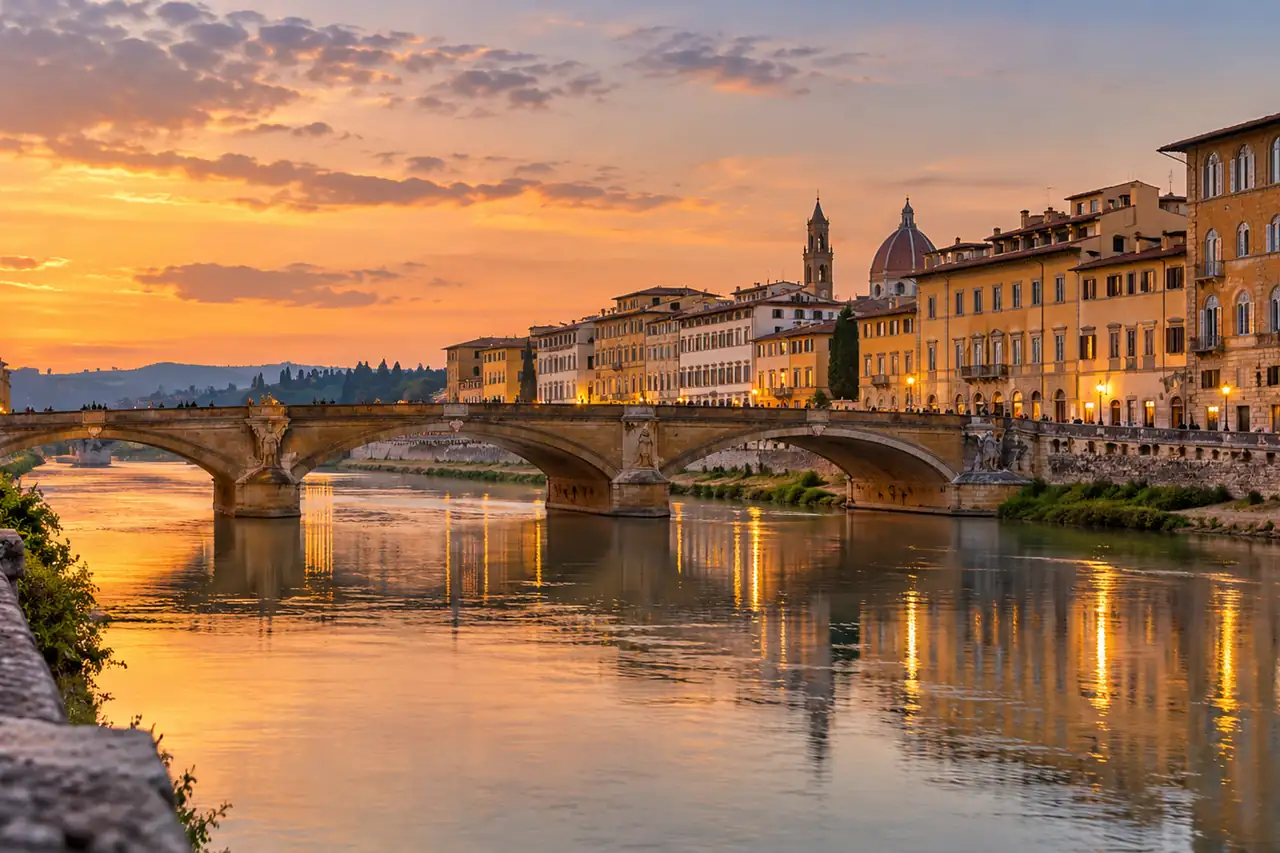
Day two: choose the museum that matches your interests
Pick Uffizi if paintings and a broader Renaissance narrative are your priority, or Accademia if seeing Michelangelo’s David is the central goal. Our planning suggestion is to protect a generous half-day for a substantial Uffizi visit, or a shorter focused museum block for Accademia, with additional time for entry procedures. These are allowances rather than official visit lengths. Avoid adding both simply because a combined product exists. Pair the selected museum with a nearby lunch and an unreserved walk. If travelling with people who tire of galleries quickly, agree on a few works beforehand and keep the rest of the day adaptable.
Understand the Duomo before choosing a climb
The cathedral interior is free; the dome and other complex monuments have separate pass arrangements. A cathedral visit therefore does not automatically include a climb. For the dome, confirm the named visitor details and fixed admission slot on the booking you choose. Read the access requirements before committing to stairs, confined passages or an activity that someone in the group may find unsuitable. Do not schedule a climb immediately after a long museum tour. Leave time to reach the correct entrance and follow baggage instructions. Choose the experience you actually want, rather than buying several monuments merely because they appear together in a pass.
Day three: deepen Florence or leave the city
With three full days, decide whether another museum would add more than a day away. Choose the second museum if art is the reason for coming; keep a free afternoon for streets and squares you rushed earlier. Choose a Tuscany excursion if you actively want a change of landscape and accept the transport time. A product combining Siena, San Gimignano and a winery is a different day from exploring one town independently. Compare actual stops, time out of the vehicle, meals and return location. Do not treat a long countryside excursion as spare time between a morning checkout and a tightly scheduled evening train.
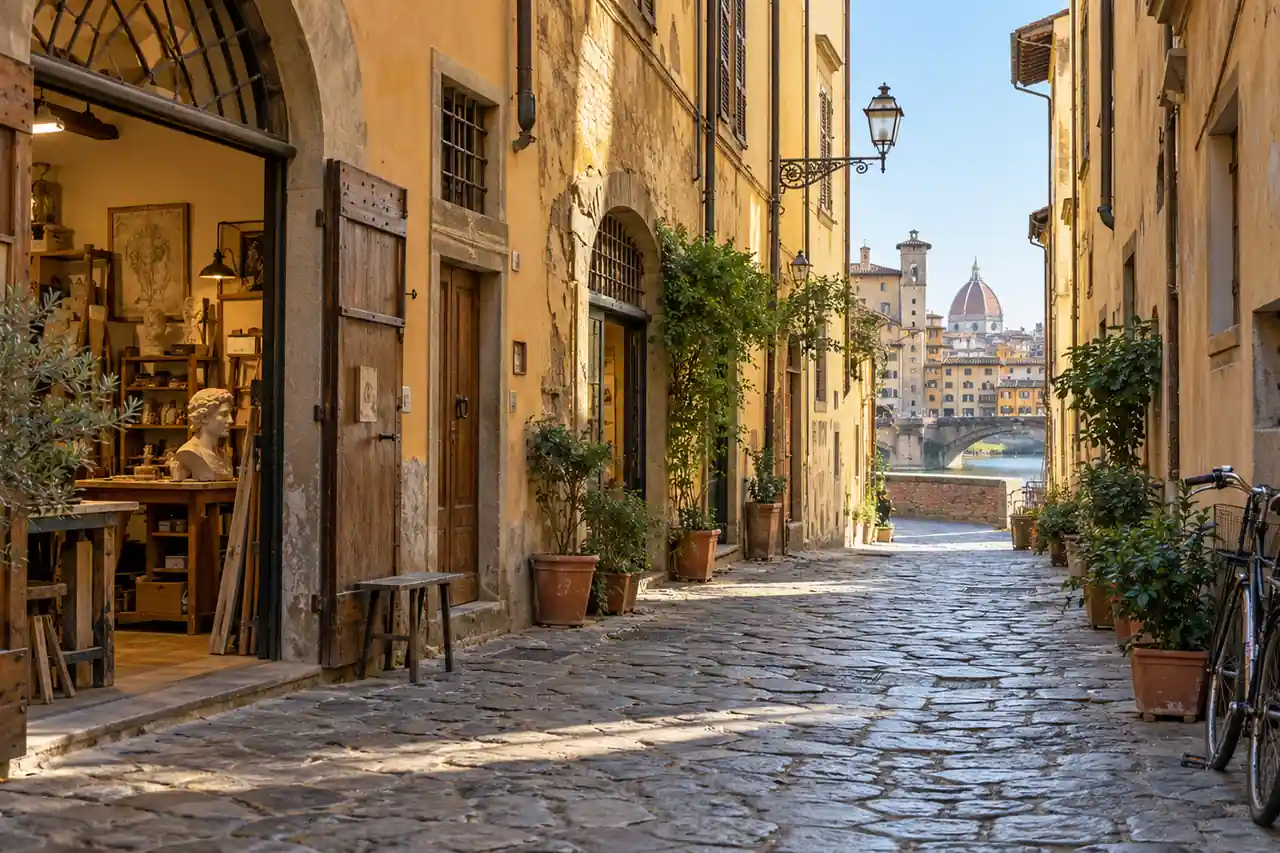
Train travel and excursions solve different problems
A train ticket gets you between named stations; it does not provide a guide, onward rural transport or a winery visit. For an independent outing, map the station-to-centre connection in both directions and check date-specific services before reserving attractions. A multi-stop excursion may simplify road connections, but gives you less control over time at each stop. Compare the complete day rather than only the headline price. Keep a backup return in mind and avoid relying on the final service. If you have only two days in Florence, a regional excursion takes one of those days away from the city; make that trade deliberately.
Make the final plan comfortable and reviewable
Place every fixed booking on one simple timeline with the meeting address, check-in requirement and cancellation conditions. Leave real space for meals, security procedures, weather and tired feet. With children, agree on which activity can be dropped without losing a reservation. With reduced mobility, ask about the precise route and vehicle access rather than assuming a general accessibility label covers every stop. Keep confirmations accessible offline and recheck any announced closure before travelling. Two days work well when you choose a clear priority; a third should add depth or a distinct excursion, rather than turning the whole visit into a longer checklist.
Florence at Christmas 2026: market dates and a winter plan →Uffizi or Accademia: choose your Florence museum →Siena for a first visit: the Campo, Duomo and a sensible arrival →San Gimignano in a day: transfers, towers and enough time →Chianti wine tours from Florence: how to choose your day →First trip to Tuscany: bases and a realistic five or seven day route →
Frequently asked questions
Are two days enough for Florence?
Two full days support an introduction to the centre, one major museum and the Oltrarno. Arrival and departure time reduce what is realistic; choose the museum you care about most.
Should I book both major museums?
Only if both collections matter to you. Spread them across different days when possible and preserve time outside. A combined tour can simplify bookings but creates a more concentrated art day.
Does a Duomo ticket include everything?
Read the exact pass or tour inclusions. Free cathedral entry, the dome climb and other monuments have different access arrangements; a walking tour mentioning the Duomo may cover only its exterior.
Should I add Tuscany on day three?
Choose it if countryside and several stops matter more than another Florence day. Check transport, actual stops and return time, especially when leaving Florence that evening.