Build each day around children’s energy
A family day works best with one major attraction, one participatory activity and genuine free time. Heat and distance matter more than a monument count. Decide in advance what can be dropped without disappointment and protect a real break after lunch.
The Colosseum and Forum with children
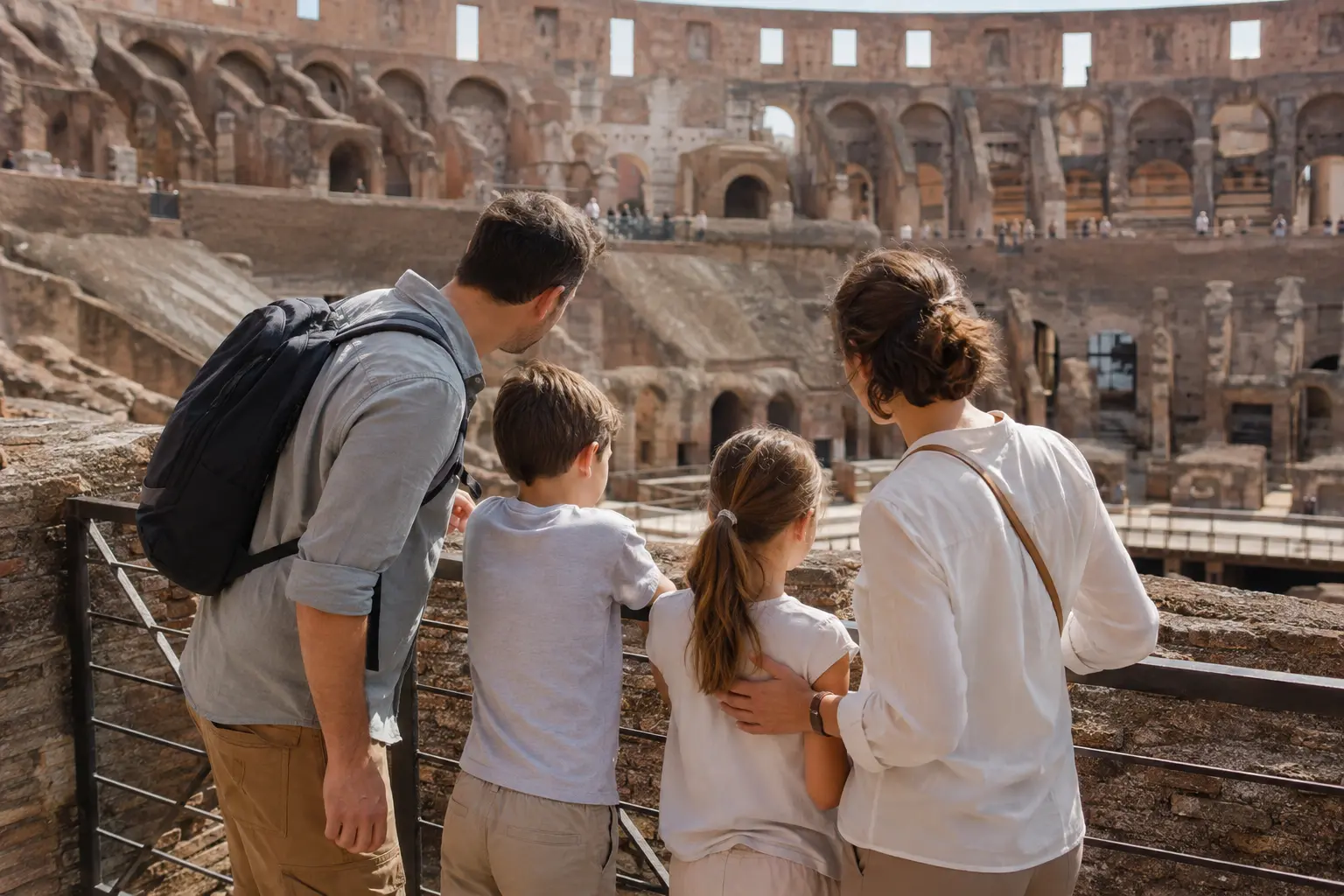
The Colosseum is easy to imagine, but the Forum and Palatine require more explanation and walking. A family guide can turn ruins into stories and challenges. Choose shorter routes, carry water and decide whether the complete archaeological area fits the children’s ages and stamina.
A Vatican visit that does not become an endurance test
The Vatican Museums are extensive, crowded and difficult to exit quickly. Select a few works and do not automatically add the dome and basilica. For younger children, a shortened museum visit or placing St Peter’s on a different day may produce a better experience.
Parks, squares and room to play
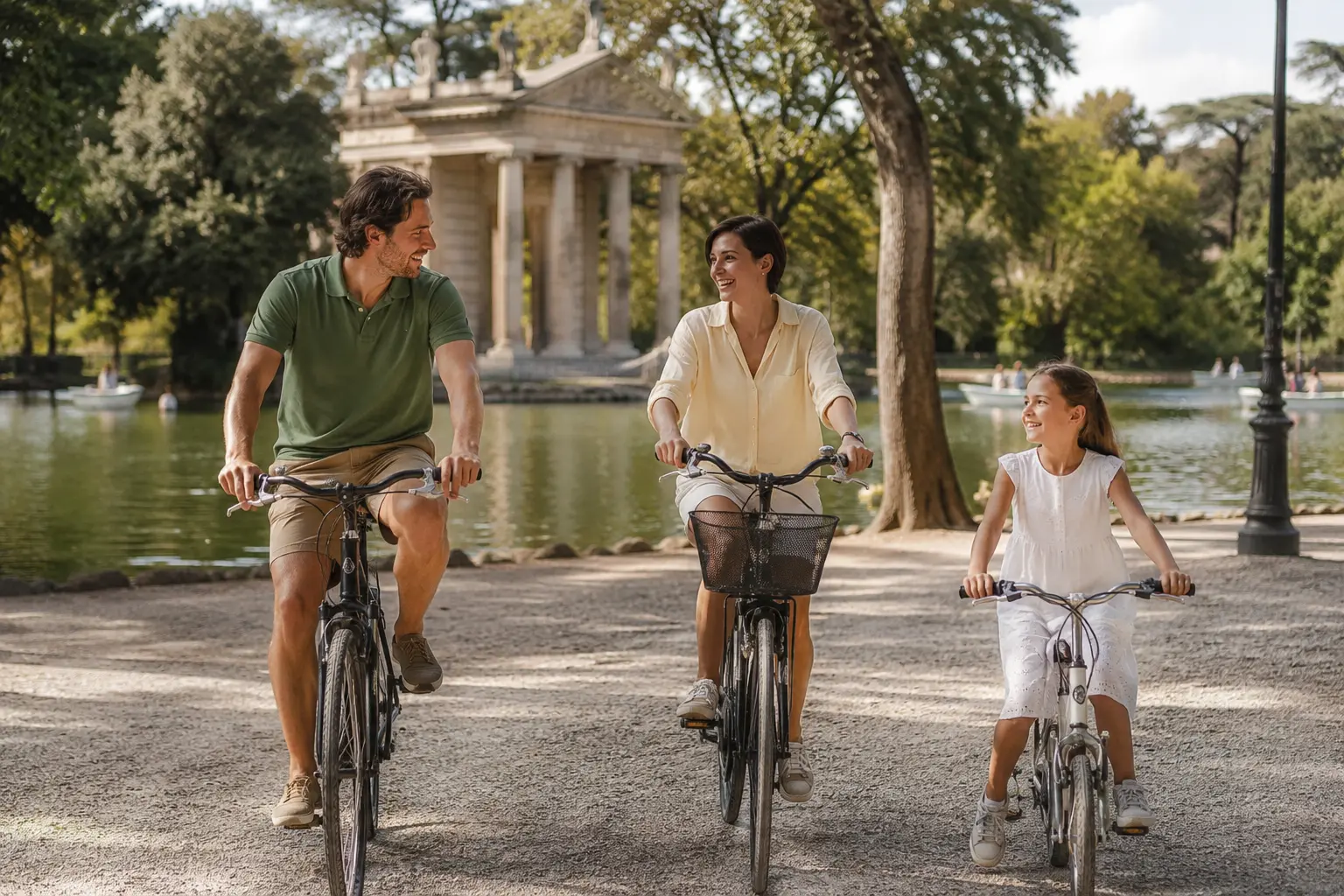
Villa Borghese offers space to run, cycle and reset the pace. Piazza Navona, small parks and fountains create pauses, although public squares are not protected playgrounds. Alternating a monument with an open space improves attention and reduces fatigue for everyone.
Cooking classes and hands-on experiences
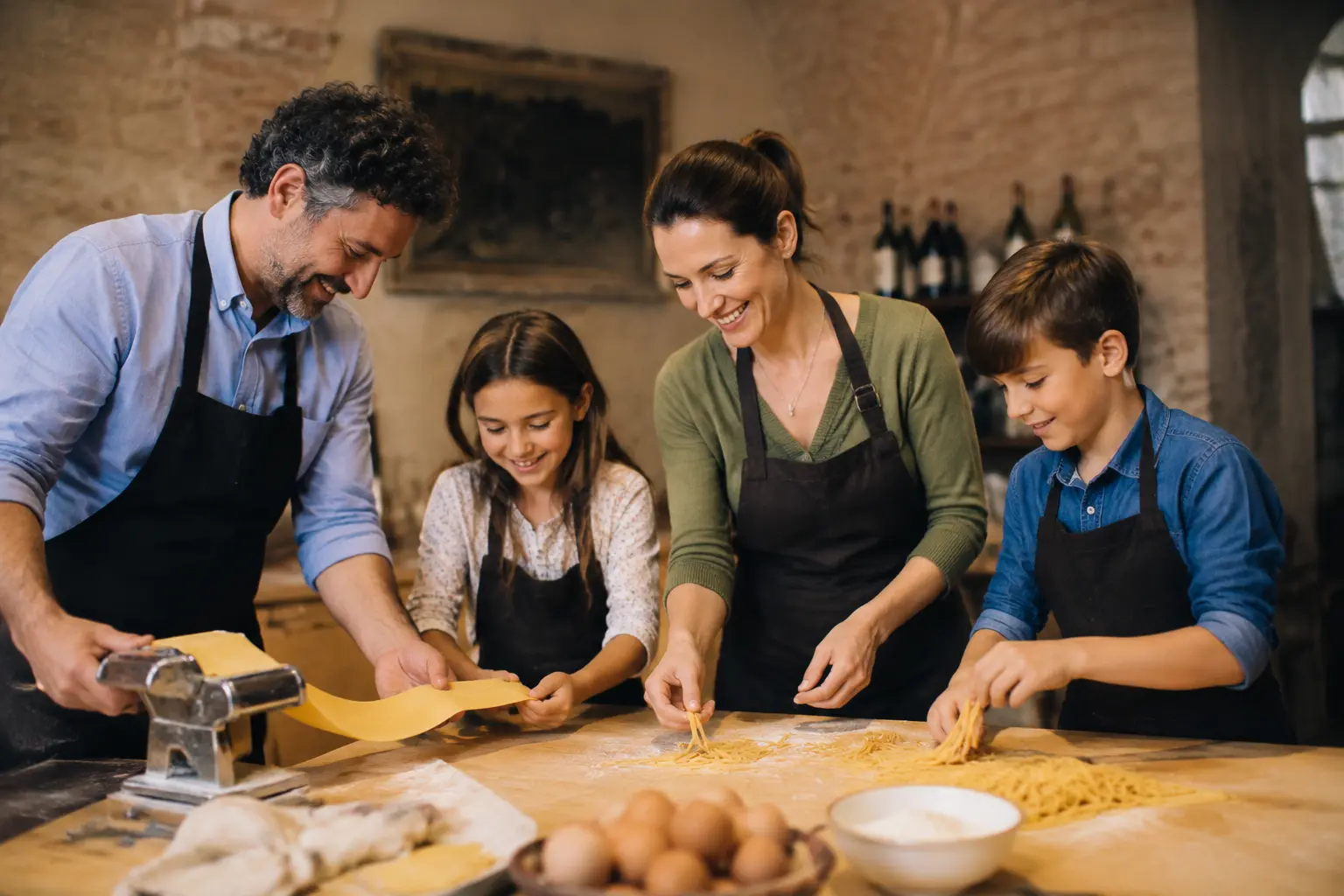
Making pasta or pizza, following a treasure hunt or joining a story-led visit often creates clearer memories than another long museum. Confirm minimum ages, language, duration and actual participation. Check allergies and whether accompanying adults must buy full participation before booking.
Transport, strollers and cobblestones
A lightweight stroller helps, but cobbles, stairs and transit can make it difficult. Plan accessible routes where possible and consider a carrier for archaeological areas. Do not assume every taxi has the correct child seat; arrange transport in advance when one is required.
Meals, water and planned breaks
Carry water and a permitted snack, and do not wait until everyone is exhausted to eat. Italian meal times may differ from the family routine. A simple place close to the route is often better than crossing the city for a famous restaurant.
A balanced family-day example
Begin with a two-hour visit, continue with lunch and rest, then keep the afternoon for a park, gelato or short walk. An early dinner near the accommodation is a strategic choice. Sofia can filter Viator experiences by age, duration, language and cancellation.
Official sources
Frequently asked questions
What is the best age for Rome?
Any age can work when duration, heat and the number of visits are adapted.
Should I bring a stroller?
Yes, preferably lightweight and sturdy; a carrier helps on stairs and cobbles.
Which attraction works best for children?
The Colosseum is immediately visual, while a cooking class adds participation.
How many visits should we book per day?
One major visit is usually enough, plus one light or hands-on activity.