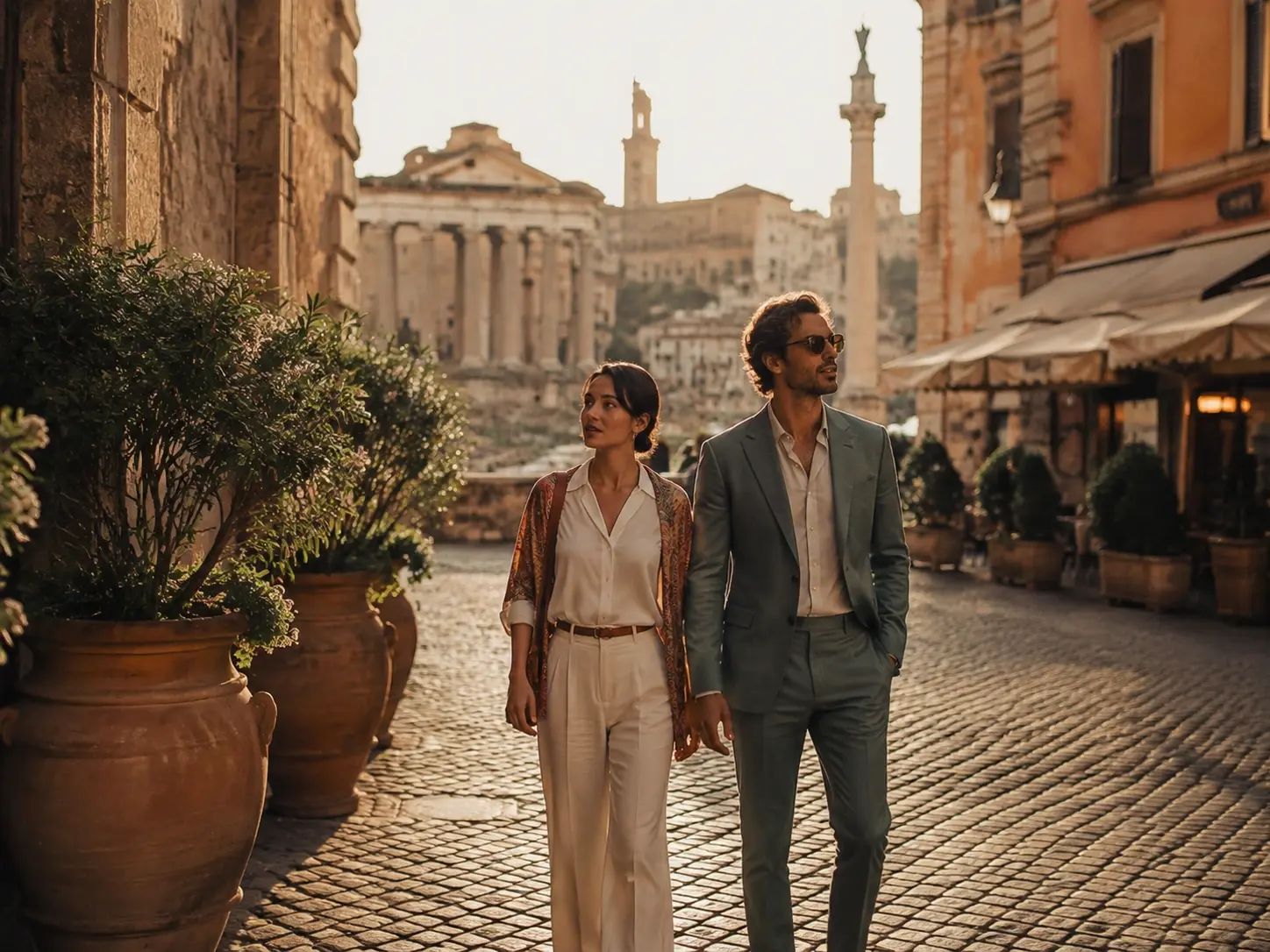
Organize four days without crossing Rome unnecessarily
Rome works best when nearby sights share the same day. This plan reduces transfers, protects rest time and prevents one delay from collapsing the itinerary. Reserve one major morning visit, then use afternoons for neighborhoods, squares and food rather than another rigid chain of timed entries.
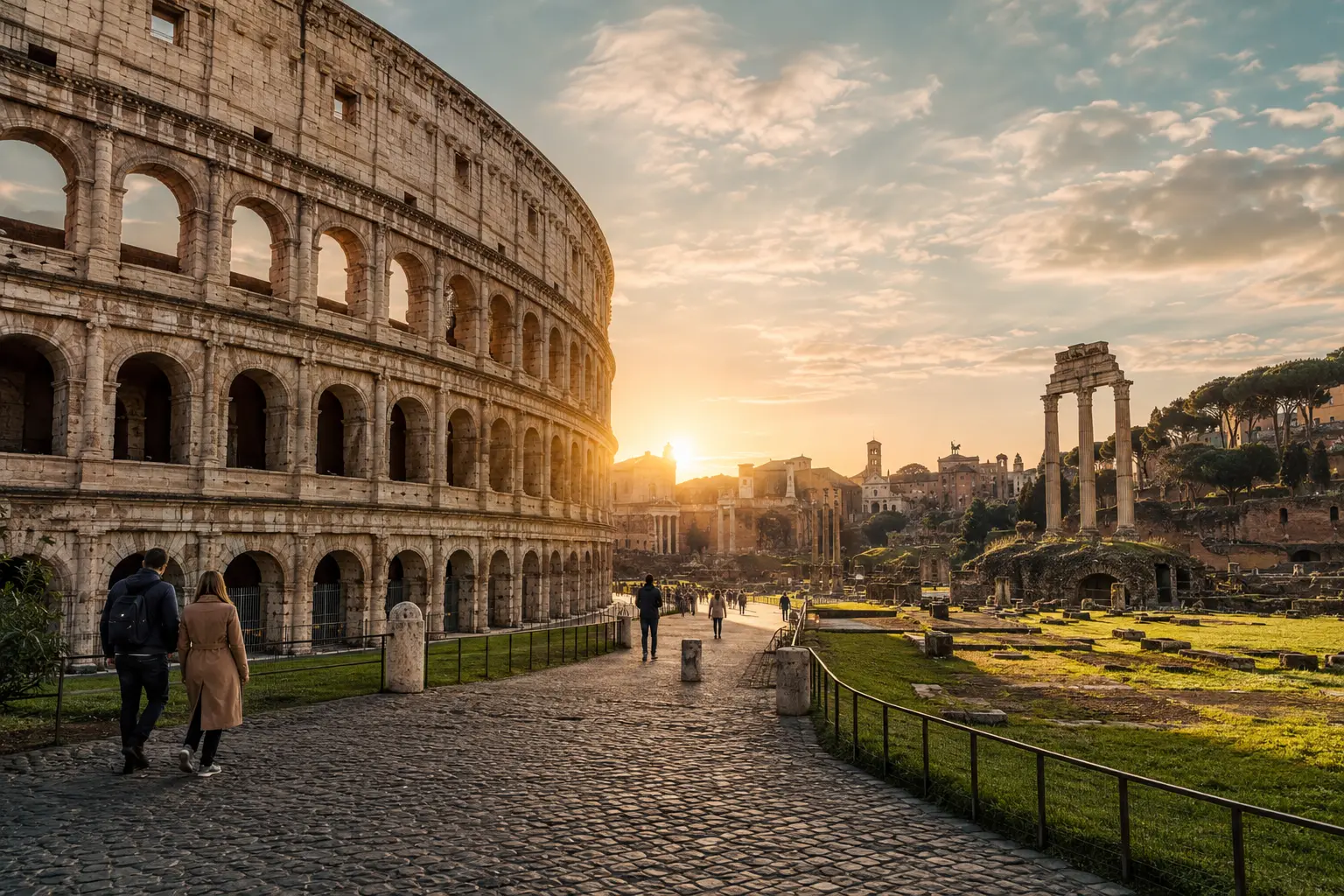
Day 1: Colosseum, Forum, Palatine and Monti
Start with the Colosseum at the booked time, then allow several hours for the Forum and Palatine. Do not add the Vatican that afternoon: the archaeological area involves distance, uneven ground and concentration. Monti is a natural place for lunch and a relaxed finish without another admission deadline.
Day 2: Vatican Museums, St Peter’s and Prati
The Vatican Museums and St Peter’s Basilica have separate access systems. An early museum booking preserves options, but security queues can alter the day. Pause for lunch in Prati and add Castel Sant’Angelo only if time and energy remain; it should not become another obligation.
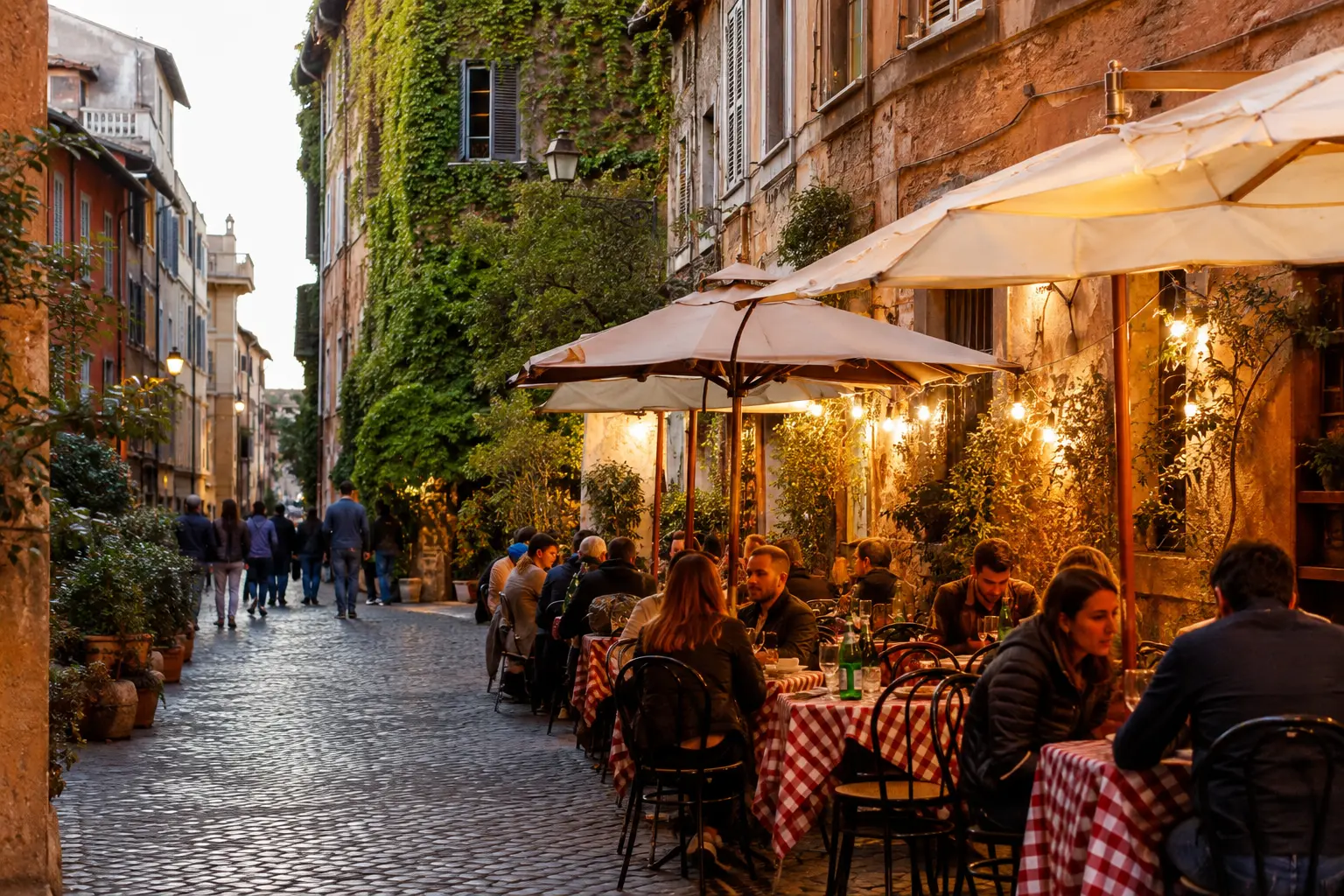
Day 3: historic center and Trastevere
See Trevi Fountain, the Pantheon and Piazza Navona early, then continue toward Campo de’ Fiori, the Jewish Ghetto or Trastevere. Choose a coherent walking line rather than every landmark. A reserved food experience can anchor the evening, but leave enough freedom to stop when the city feels interesting.
Day 4: choose the Rome that fits you
Use the final day for a personal priority: the Appian Way, Villa Borghese, Testaccio, contemporary art or Tivoli. There is no universal fourth day. Keep it flexible until weather, energy and availability are clear, especially when the first three days already include the major monuments.
Reservations, transport and realistic pacing
Book the Colosseum and Vatican first. Walking and public transport cover most other movements; an occasional taxi may save energy. Add buffers between activities, check strikes and opening changes, and avoid buying incompatible tickets simply because scarcity messaging creates pressure.
Eating well without planning every meal
Look one or two streets beyond the busiest squares and check opening days before walking across town. Reserve only important dinners. Bakeries, markets and simple lunches balance the budget, leaving room for one food tour or cooking class that adds genuine local context.
Budget choices that genuinely improve the trip
Separate basic admissions, guided visits, transport and meals. Pay more when a guide solves access, selection or interpretation—not when a product merely resells an official ticket. Sofia can compare live Viator options by date, language, group size, cancellation and total price.
Official sources
Frequently asked questions
Are four days enough for a first trip to Rome?
Yes, when each day is grouped geographically and limited to one major timed attraction.
Is the Roma Pass automatically worth it?
No. Compare the pass with the admissions and transport in your actual itinerary.
Where should a first-time visitor stay?
The historic center reduces evening travel; Termini improves connections. Budget and pace should decide.
How much unplanned time should I keep?
Protect at least one flexible afternoon for delays, weather and discoveries.